

How to Get Paid to Give Your Opinion: You probably give away opinions every day. You tell a friend which phone to buy. You complain about a restaurant. You decide whether an advertisement is convincing. You tell someone a website is confusing. You explain why you would never buy a particular product.
Most of those opinions are worth exactly nothing. But sometimes, your opinion is information—and information can have economic value. Companies spend money trying to understand what customers think before they launch products, redesign websites, change packaging, create advertisements, or enter new markets.
That creates legitimate ways to get paid for giving opinions. The trick is understanding what you’re actually being paid for. You aren’t usually being paid because your opinion is automatically special. You’re being paid because your feedback helps someone make a better decision.
How to Get Paid to Give Your Opinion
Yes. Common opportunities include:
- Consumer research
- Surveys
- Focus groups
- Product testing
- Website testing
- Interviews
- Advertising research
- User research
- Market research
- Paid panels
- Freelance reviewing
- Content creation
- Consulting
Some opportunities pay cash. Others may offer gift cards, products, discounts, or other compensation. The amount can vary dramatically depending on the type of research, the time involved, and the expertise required.
Why Would a Business Pay for Someone’s Opinion?
Imagine you’re launching a new product. You think the packaging looks fantastic. Your entire team agrees. Then ten customers see it and say:
“I don’t understand what this product actually does.” That feedback could be worth far more than the cost of asking them. Businesses can become emotionally attached to their own ideas. Customers don’t have that attachment. That’s why outside opinions can be valuable.
What Kind of Opinions Are Companies Actually Looking For?
Not every opinion is equally useful.
Companies may want to know:
- What would make you buy?
- What would stop you?
- What confused you?
- What did you notice first?
- What would you change?
- Which option would you choose?
- What price feels reasonable?
- Which advertisement feels more convincing?
- What words would you use to describe the product?
Notice the pattern.
They’re not simply asking: “Do you like it?” They’re trying to understand behavior and reasoning. That is where your opinion becomes useful.
Could Being Brutally Honest Actually Make You More Valuable?
Sometimes. A person who says: “Everything looks great.” doesn’t provide much information.
A person who says: “I like the product, but I wouldn’t buy it because the setup takes too long and I can get something similar without that hassle.” has provided a business with something actionable. Good feedback doesn’t have to be negative. It has to be specific.
1. How to Get Paid to Give Your Opinion: Paid Surveys

Surveys are probably the most familiar example. Businesses and researchers can use surveys to collect opinions about products, services, advertising, habits, preferences, and experiences. They’re accessible, but there’s an important financial reality:
Most surveys are not a replacement for a salary. Think of them as occasional opportunities rather than a guaranteed income machine. The better question is whether the time required is reasonable compared with the compensation.
2. Focus Groups
Focus groups can involve a small number of people discussing a product, advertisement, service, or idea.
You may be asked to explain:
- What you think
- What you noticed
- What you would change
- How you interpret a message
- Whether something feels useful
- Why you would or wouldn’t buy something
These sessions can be more involved than ordinary surveys, which is one reason compensation can differ.
3. Get Paid to Review Products
If you’re naturally good at explaining what you like and dislike about products, product reviewing can become a skill. A strong review answers questions the buyer hasn’t thought to ask.
For example:
Is it annoying to clean?
Does it work for a small apartment?
Does it feel cheap after a month?
Would you recommend it to a beginner?
Those details can be much more useful than saying something is “amazing.”
4. Give Your Opinion on Advertisements
Companies don’t only test products. They test the messages used to sell them.
You might be asked which advertisement:
- Gets your attention
- Makes the product understandable
- Feels trustworthy
- Makes you curious
- Feels annoying
- You remember later
This is particularly interesting because advertising is ultimately a battle for attention. Your reaction becomes data.
5. Website and App Feedback

Imagine a company launches a new website. The developers understand how it works because they built it. A first-time visitor doesn’t. That difference matters. User researchers may ask participants to complete tasks and explain where they become confused. You might be asked:
“Find the checkout page.”
Then they observe what happens.
If you spend two minutes searching for a button that the developer thought was obvious, you’ve just revealed a usability problem. You don’t need to be technical. Sometimes being an ordinary user is precisely why your feedback is valuable.
6. What If You Have an Opinion Nobody Else Seems to Have?
Don’t underestimate niche knowledge. Maybe you understand:
- Gaming
- Cars
- Fashion
- Travel
- Fitness
- Technology
- Food
- Luxury products
- Small-business software
- Online communities
A general consumer can provide general feedback. A knowledgeable user can provide context. That can make specialized opinions more valuable for certain research or consulting work.
7. Turn Your Opinion Into Content
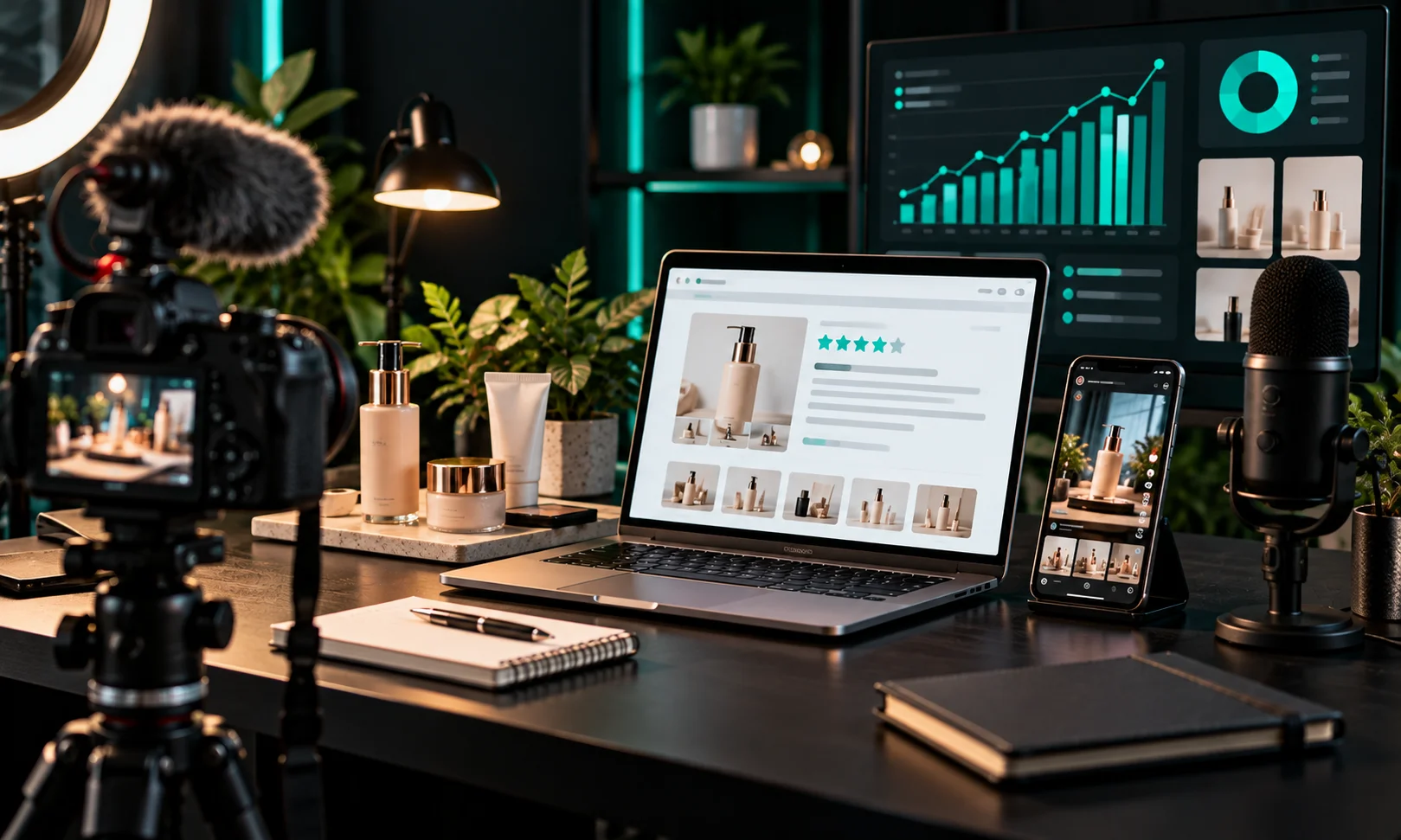
This is where giving opinions can evolve into a business. Instead of selling your opinion one time, you can build an audience around it.
You could create:
- A YouTube channel
- A newsletter
- A review website
- A podcast
- Social content
- A niche publication
Suppose you become known for honest technology reviews. One opinion may be worth very little. But thousands of people repeatedly seeking your perspective can create an audience asset. That changes the economics.
8. Can You Make Money From Having “Good Taste”?
This sounds ridiculous until you look at industries built around curation. People pay for recommendations because choice is exhausting.
There are thousands of:
- Hotels
- Restaurants
- Clothes
- Gadgets
- Movies
- Cars
- Apps
- Books
A trusted person can reduce that choice. If your audience believes: “If they recommend something, it’s probably worth looking at,” your taste has become useful. That’s not magic. It’s trust built through consistently good judgment.
9. When Does an Opinion Become a Business?
Here’s the question most people skip.
Who is your opinion helping?
If the answer is nobody, it’s probably just an opinion.
If your opinion helps:
- A buyer make a decision
- A company improve a product
- A founder understand customers
- A reader avoid a mistake
- An audience discover something
- A business improve its message
then you’re providing a service. The difference is utility.
10. Could You Charge for Advice?
Eventually, potentially. But don’t start by calling yourself an expert. Start by becoming useful. For example, someone who has spent years testing websites may eventually offer usability consulting.
- Someone who understands restaurants may build a food publication.
- Someone who knows cars deeply may create a buying advisory service.
- Someone who understands online businesses may provide strategic feedback.
Expertise is usually built through experience + knowledge + repeated problem-solving. A title doesn’t create expertise.
11. How Do You Turn Random Opinions Into a Valuable Skill?
Try this exercise. Whenever you have a strong opinion, ask:
What evidence created this opinion?
Then ask:
What would change my mind?
Then:
Would this information help someone else make a decision?
This forces you to move from reaction to analysis. And analytical thinking is considerably more valuable than simply being loud.
12. The Dangerous Side of Paid Opinions
Money can create a conflict of interest. If someone pays you to review something, your audience deserves to understand the relationship where disclosure is appropriate.
- Your credibility matters.
- Don’t manufacture praise.
- Don’t hide material relationships.
- Don’t present advertising as independent judgment.
A short-term payment isn’t worth destroying the trust that could support years of work.
13. How Do You Know a “Paid Opinion” Opportunity Is Legitimate?
Be careful when an opportunity:
- Promises unusually large payments for trivial tasks
- Requires an upfront fee
- Requests unnecessary sensitive information
- Has no clear company or research organization
- Pressures you to recruit others
- Does not explain the actual research
- Guarantees income simply for signing up
Before participating, understand:
- Who is conducting the research?
- What exactly will you do?
- How long will it take?
- How are you compensated?
- What information will be collected?
Simple questions can prevent expensive mistakes.
14. The Weird Wealth Perspective
There is a deeper lesson here. Most people think wealth begins with having something.
- Money.
- Property.
- A business.
- Investments.
But valuable information can also be an asset. And your perspective can become valuable when it is built on:
experience + knowledge + judgment + trust.
That’s particularly relevant to Weird Wealth’s philosophy of unconventional income. You don’t necessarily need to invent something completely new. Sometimes you can take something you already possess—your curiosity, taste, experience, knowledge, or attention—and turn it into something other people find useful.
Frequently Asked Questions
Can I really make money from my opinions?
Yes. Consumer research, surveys, focus groups, product testing, consulting, reviewing, and content creation are examples. Compensation varies widely.
Do companies pay people for honest feedback?
Yes. Research and testing programs can compensate participants for feedback. The exact arrangement depends on the program.
Are paid surveys worth it?
They can be worth doing for occasional extra income if the time-to-compensation ratio makes sense, but they generally shouldn’t be treated as guaranteed full-time income.
Can I get paid for reviewing products?
Yes. Depending on your audience and skills, opportunities can include freelance reviews, content creation, research, and commercial partnerships.
Can my opinion be valuable without having followers?
Absolutely. Research participants don’t necessarily need an audience. Specialized knowledge can also be valuable independently of social-media popularity.
How do I become someone people trust for recommendations?
Be consistent, explain your reasoning, acknowledge uncertainty, and don’t recommend things simply because someone paid you.
What is the difference between an opinion and expertise?
An opinion is a personal judgment. Expertise generally involves accumulated knowledge, experience, and the ability to make informed judgments within a particular area.
The Bottom Line
You don’t get paid simply because you have an opinion. You get paid when your opinion reduces uncertainty, improves a decision, solves a problem, or attracts an audience that values your perspective. That’s a much more powerful idea. Your opinion about a phone might save someone from buying the wrong device.
Your feedback about an app might help a company fix a confusing feature. Your taste in hotels might save a traveler from wasting hundreds of dollars. Your analysis of a product might help a founder change it before thousands of customers see it. The opinion isn’t the business.
The value created by the opinion is. And sometimes the first step toward an unusual income stream is simply realizing that something you’ve been giving away for free might be useful to someone else.