An unexpected car repair, medical bill, or sudden loss of income can turn an otherwise manageable budget into a financial crisis. Without savings, you may have to borrow money, miss essential payments, or sell investments at the wrong time.
An emergency fund gives you a financial buffer between an unexpected expense and a debt problem. It does not need to start with thousands of dollars. Even a small reserve can help you handle an urgent bill without relying entirely on credit.
The right amount depends on your living expenses, income stability, family responsibilities, and access to other financial resources. The goal is to build a reserve that protects your financial life without making everyday bills impossible to pay.
Key Takeaways
- A common starting target is three to six months of essential living expenses.
- You can begin with a smaller milestone if saving several months of expenses feels unrealistic.
- Keep emergency money accessible and relatively safe rather than exposing it to stock market volatility.
- Irregular income, dependents, and limited job security may justify a larger reserve.
- Review your emergency fund when your income, household expenses, or responsibilities change.
What Is an Emergency Fund?
An emergency fund is money reserved for unexpected, necessary expenses or disruptions to your income.
It is different from money saved for a planned holiday, a new phone, or an upcoming annual insurance payment. Those expenses should ideally have their own savings categories.
A useful emergency fund can help cover situations such as:
- Losing your job or experiencing a significant reduction in income
- Urgent medical or dental expenses
- Essential vehicle repairs
- Emergency home repairs
- Necessary travel because of a family emergency
- Unexpected costs that threaten your ability to pay essential bills
The defining feature is that the expense is both unexpected and important enough that delaying payment could create a serious problem.
How Much Should You Keep in an Emergency Fund?
A common guideline is to save three to six months of essential living expenses. However, this is a target to work toward, not a requirement you must meet before making any financial progress.
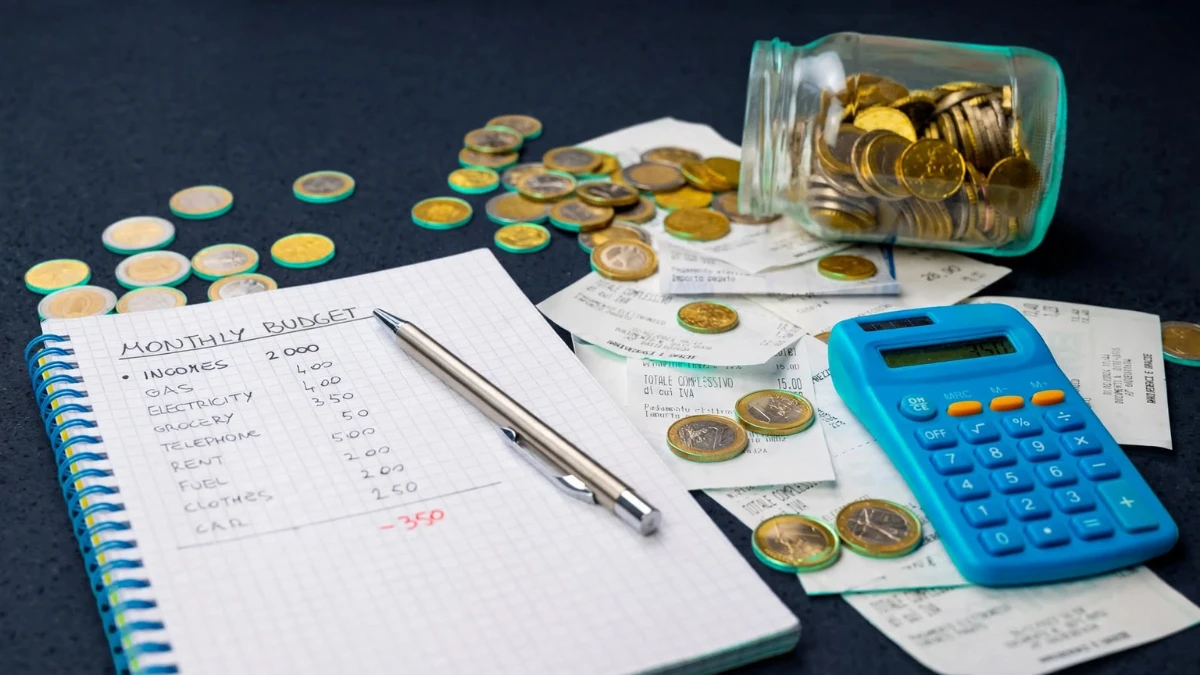
Start by calculating what you would need to cover basic necessities if your income stopped temporarily.
Include:
- Housing payments
- Essential groceries
- Utilities and basic communication
- Necessary transportation
- Insurance and healthcare
- Minimum required debt payments
- Childcare and other essential family expenses
You generally do not need to include discretionary shopping, holidays, or entertainment in this calculation.
Emergency fund examples
The following examples use hypothetical monthly essential expenses.
| Monthly essential expenses | Three-month target | Six-month target |
| $1,000 | $3,000 | $6,000 |
| $1,500 | $4,500 | $9,000 |
| $2,000 | $6,000 | $12,000 |
| $3,000 | $9,000 | $18,000 |
| $4,000 | $12,000 | $24,000 |
These figures illustrate how the target is calculated. Your appropriate reserve may differ based on your circumstances.
For example, someone with a stable salary, low fixed expenses, and strong family support may be comfortable with a smaller reserve than someone who works on short-term contracts and supports several dependents.
Should You Save $500, $1,000, or Six Months of Expenses First?
When you are starting from zero, a large target can feel discouraging. Breaking it into milestones makes the process more manageable.
Consider this progression:
Milestone one: Your first emergency reserve. Aim for an amount that could cover one common urgent expense in your circumstances.
Milestone two: One month of essential expenses. This can give you more flexibility if a bill arrives unexpectedly or your income is delayed.
Milestone three: Three months of essential expenses. This is a useful medium-term target for many households.
Milestone four: Six months or more. Consider a larger reserve if your income fluctuates, you have dependents, or replacing your income could take considerable time.
A $500 or $1,000 starter fund can be useful, but neither amount is sufficient for every household. Choose the first milestone based on the emergencies you could realistically face.
Where Should You Keep Your Emergency Fund?
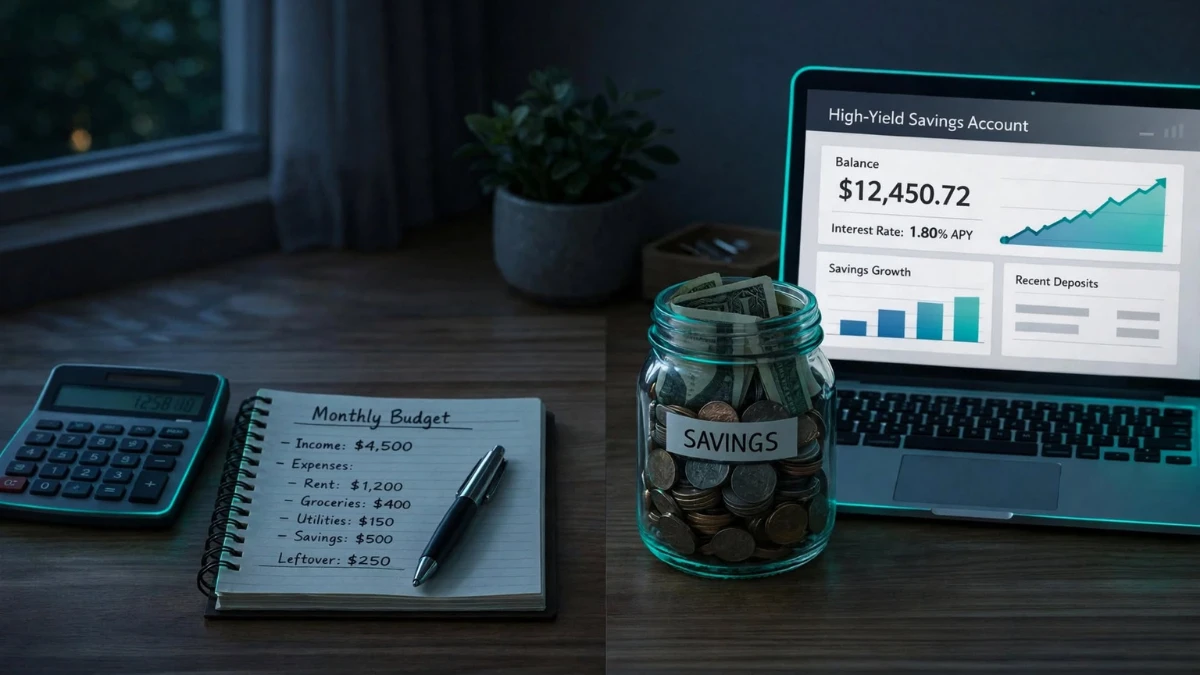
Emergency savings should generally be accessible when you need them. The priority is financial protection, not maximizing returns.
| Option | Potential benefit | Important consideration |
| Insured savings account | Accessible money with relatively low risk | Interest rates can change |
| High-yield savings account | May pay more interest than a standard savings account | Eligibility, fees, access, and deposit protection vary |
| Money market deposit account | May combine interest earnings with convenient access | Terms and withdrawal restrictions vary |
| Short-term deposit account | May offer a defined interest rate | Early withdrawal penalties or access limits may apply |
Choose a product with appropriate deposit protection in your country, transparent fees, and access arrangements that fit your needs.
Avoid keeping your entire emergency fund in volatile investments, speculative assets, or products that could prevent you from accessing your money promptly.
You also do not need to chase the highest advertised rate if doing so introduces fees, restrictions, or unnecessary complexity.
How Do You Build an Emergency Fund on a Tight Budget?
Saving is harder when rent, groceries, transportation, and other necessities consume most of your income. The solution is to create a realistic plan rather than choosing an ambitious number that repeatedly fails.
1. Start With an Affordable Amount
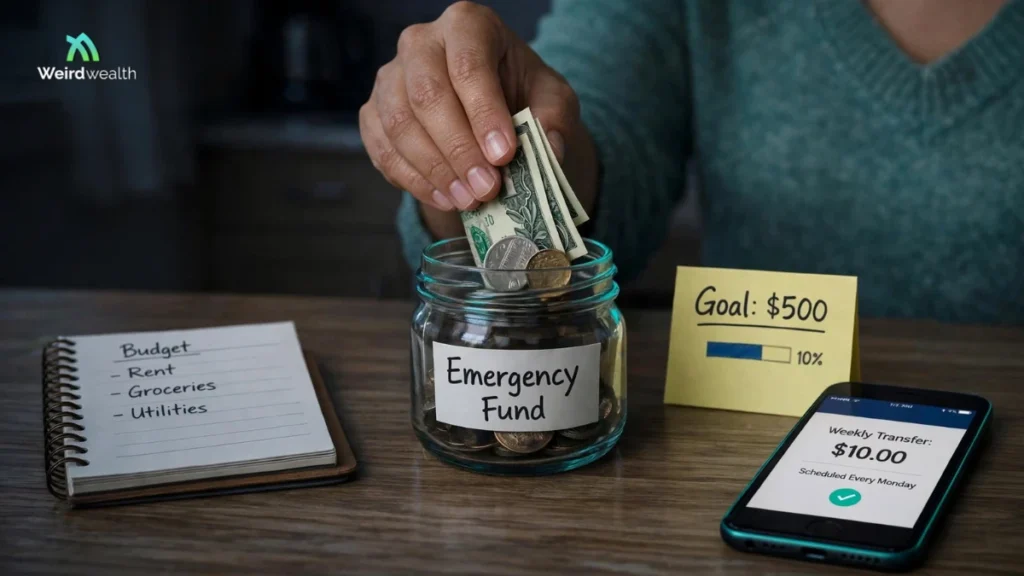
Choose a contribution that fits your current cash flow. It could be $10, $25, or $50 per month or a different amount that works for you.
For illustration, saving $25 each week would add $1,300 over a year, assuming you make every contribution and do not withdraw the money.
The important thing is to begin with a sustainable habit.
2. Automate Contributions When Possible
If your income is predictable, schedule a transfer to savings after payday. This reduces the need to make the same decision repeatedly.
If your income varies, you can transfer a percentage of money received or contribute more during stronger months.
Do not automate a transfer that leaves you unable to pay essential bills or meet required debt payments.
3. Redirect Money From Expenses You No Longer Value
Review your recent spending for unused subscriptions, unnecessary fees, and purchases that do not provide much value.
You do not have to eliminate every enjoyable expense. Instead, identify a few changes that free up money without making your budget unmanageable.
For additional ideas, read Weird Wealth’s guide to saving money without feeling miserable.
4. Use Extra Income Strategically
A tax refund, work bonus, freelance payment, or occasional sale can help you reach your target faster.
Before committing the entire amount, account for any outstanding essential bills, business expenses, or taxes that may be due.
Then direct an affordable portion toward your emergency savings.
5. Keep the Money Separate
A separate savings account can make it easier to distinguish emergency money from everyday spending.
Check the account occasionally, but avoid treating the balance as available money for ordinary purchases.
The goal is to preserve the reserve for situations where you genuinely need it.
Should You Build an Emergency Fund or Pay Off Debt First?
This is one of the most important decisions when money is limited.
High-interest debt can be expensive to carry, but having no accessible savings can force you to borrow again when an unexpected bill arrives.
For many people, a balanced approach works better than choosing only one priority.
- Keep up with essential bills and required minimum debt payments.
- Build a small starter emergency reserve that fits your circumstances.
- Direct additional money toward expensive debt.
- Expand the emergency fund as your debt burden and financial position improve.
The exact order depends on your interest rates, immediate risks, and financial obligations. For example, reviewing recurring expenses such as car insurance costs and understanding how travel credit cards affect your spending can help you make more informed financial decisions. If you are exploring digital assets, researching Bitcoin wallets can also help you understand related financial tools. If you face an urgent debt problem or cannot cover necessities, seek appropriate financial counseling or assistance rather than following a generic rule blindly.
How Much Should You Save if Your Income Is Irregular?
Freelancers, contractors, commission-based workers, and small-business owners may need a larger buffer because their earnings can change substantially from month to month.
Start by separating business money from personal money where practical. Calculate your essential household expenses and identify the months when your income tends to be weakest.
A larger emergency fund may be appropriate if you:
- Depend on a small number of clients
- Work in a seasonal industry
- Support children or other dependents
- Have limited access to paid sick leave
- Would struggle to find replacement work quickly
Remember that a personal emergency fund is not the same as business operating cash. If you own a business, you may need separate reserves for household expenses, taxes, payroll, and other obligations.
When Should You Use Your Emergency Fund?
Use it when an expense is necessary, unexpected, and difficult to cover from your normal budget.
Before withdrawing money, ask three questions:
- Is this expense urgent or necessary?
- Was it genuinely unexpected rather than a predictable annual cost?
- Can I cover it without compromising essential obligations?
For example, a sudden essential car repair may qualify if you need the vehicle to get to work. A planned holiday usually does not.
There will be situations where the distinction is not obvious. Focus on protecting your health, safety, housing, and ability to earn income.
If you use the fund, do not view that as failure. The money exists to be used when an emergency occurs. Once the situation stabilizes, rebuild the reserve gradually.
Common Emergency Fund Mistakes
Waiting until you can save a large amount. Starting with a small reserve is often better than waiting for the perfect financial moment.
Investing emergency money aggressively. Market losses can occur precisely when you need cash.
Ignoring predictable expenses. Car servicing, annual premiums, and seasonal bills are often better handled through separate sinking funds.
Setting an unrealistic target. A target should reflect your actual expenses and risks, not just a number you saw online.
Using the fund for routine purchases. Keep discretionary spending separate so the reserve remains available for real emergencies.
Frequently Asked Questions
Is three months of expenses enough for an emergency fund?
Three months can be a reasonable target for some households, particularly those with stable income and manageable expenses. People with variable earnings, dependents, or limited job security may prefer a larger reserve.
Should I keep my emergency fund in cash?
You should generally keep it in an accessible, relatively safe form. A suitable savings account is often more practical than physical cash because it can provide security and may earn interest. Keep enough immediate access for your circumstances.
Can I build an emergency fund while living paycheck to paycheck?
Yes, although progress may be slow. Start with an affordable contribution and prioritize essential bills. If your income cannot cover basic expenses, increasing earnings, reducing major costs, or seeking available support may be more important than forcing an unrealistic savings target.
Does an emergency fund need to earn interest?
Interest can help your savings grow, but accessibility and safety are usually more important than maximizing returns. Compare rates, fees, withdrawal rules, and applicable deposit protections before choosing an account.
Should I use my emergency fund to pay off credit card debt?
It depends on your financial situation. High-interest debt can be costly, but eliminating all your accessible savings can leave you vulnerable to new borrowing. Consider maintaining a starter reserve while developing a realistic debt repayment plan.
Make Your First Emergency Fund Contribution
An emergency fund is not about predicting every problem. It is about giving yourself options when life becomes unpredictable.
Calculate your essential monthly expenses, choose a realistic first milestone, and select a safe place to keep the money. Then make a contribution you can sustain and increase it when your circumstances allow.
Your next action: Write down your essential monthly expenses and multiply that amount by three. Treat the result as a medium-term target not a reason to delay starting. Your first contribution, however small, begins building the financial buffer that can protect your future decisions.
Disclaimer:
This article is for informational and educational purposes only. It does not constitute personalized financial, tax, or investment advice. Account availability, deposit protection, and financial rules vary by country.