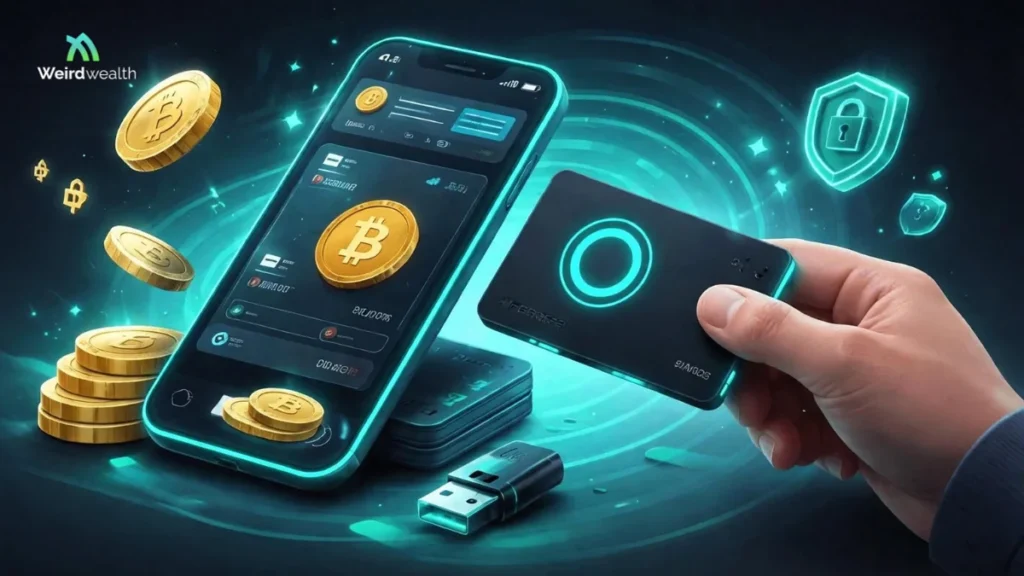
Buying Bitcoin is only the first decision. The next is deciding where to keep it. You could leave it on a cryptocurrency exchange, store it in a mobile app, or use a hardware wallet that keeps your private keys offline. Each option offers a different balance of convenience, security, and responsibility.
The best Bitcoin wallet is not necessarily the most expensive or the one with the longest feature list. It is the wallet that fits how you use Bitcoin, how much responsibility you want for managing your keys, and how carefully you can protect your recovery information.
For beginners, the most important starting point is understanding the difference between a wallet provider holding your assets on your behalf and a self-custody wallet that puts you in control of the keys.
Key Takeaways
- Bitcoin wallets manage the keys used to access and authorize transactions; they do not literally store coins inside an app or device.
- Mobile and desktop wallets are convenient for everyday use, while hardware wallets can reduce exposure to online attacks.
- Exchange accounts may be easier for beginners but introduce reliance on the platform.
- Losing a recovery phrase can mean losing access to a self-custody wallet permanently.
- Before choosing a wallet, verify Bitcoin support, fees, backup options, recovery procedures, and the authenticity of the software or device.
What Is a Bitcoin Wallet?
A Bitcoin wallet is software or a physical device that manages the cryptographic keys associated with your Bitcoin. These keys allow you to access funds recorded on the Bitcoin blockchain and authorize transactions.
A wallet generally provides an address you can share to receive Bitcoin and a way to sign transactions when sending it.
Your Bitcoin itself remains recorded on the blockchain. The wallet manages the credentials and information needed to control it.
There are two broad custody arrangements:
Custodial wallet: A company or service controls the private keys on your behalf. You access your account through its platform, subject to its security procedures and terms.
Self-custody wallet: You control the private keys or recovery phrase. This gives you greater direct control, but you are also responsible for protecting access and maintaining a usable backup.
Neither arrangement eliminates risk. With custodial services, you depend on the provider. With self-custody, mistakes involving keys, recovery phrases, or fraudulent transactions can result in permanent losses.
Types of Bitcoin Wallets
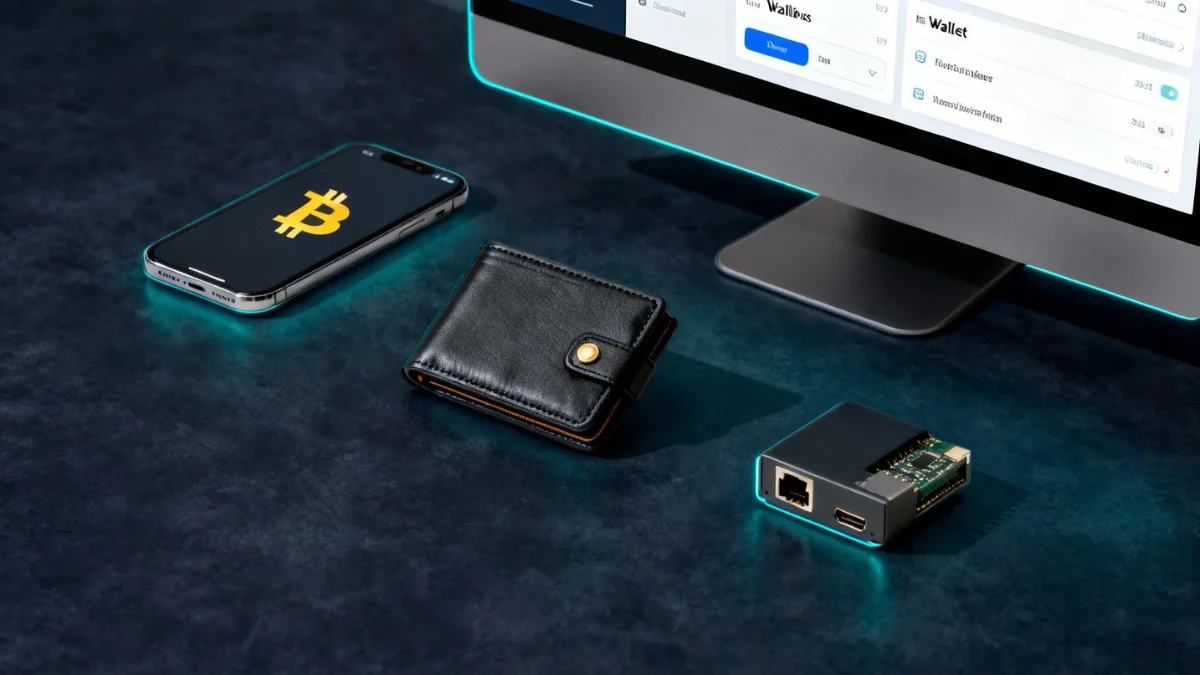
Before comparing individual wallets, understand the main categories. They differ in how keys are managed and how easily an attacker might reach them.
| Wallet type | Main advantage | Main trade-off |
| Mobile wallet | Convenient for daily transactions | The phone and its software can be exposed to malware or theft |
| Desktop wallet | Useful for managing Bitcoin on a computer | Security depends partly on the computer and its configuration |
| Hardware wallet | Keeps signing keys isolated from an internet-connected computer in many designs | Requires careful setup, backup, and protection against physical loss |
| Web or exchange wallet | Easy access through an online account | You may depend on a company to control keys and process withdrawals |
| Paper or offline key backup | Can keep key information away from connected devices | Easy to damage, lose, copy, or create incorrectly |
A hardware wallet is not automatically safe simply because it is offline. A compromised setup process, fake device, exposed recovery phrase, or malicious transaction approval can still put funds at risk.
Best Bitcoin Wallets to Consider
The right choice depends on whether you prioritize convenience, self-custody, advanced features, or long-term storage. The options below represent different wallet approaches rather than a universal ranking. Features, supported regions, prices, and asset compatibility can change, so verify the details before using a wallet.
1. BlueWallet: A Mobile-First Option
BlueWallet is a mobile Bitcoin wallet worth investigating if you want a phone-based interface for managing Bitcoin. Its feature set has included standard Bitcoin wallet functionality and tools aimed at users interested in Lightning payments.
Why consider it: A mobile wallet can make receiving and sending Bitcoin more accessible without requiring a dedicated hardware device.
What to check: Confirm current platform availability, the exact Bitcoin and Lightning features you need, backup procedures, and whether the wallet configuration matches your preferred custody model.
Best suited to: Users who want to explore mobile Bitcoin management and understand the responsibilities involved in self-custody.
2. Electrum: A Desktop Wallet for More Control
Electrum is a long-established Bitcoin wallet known for its desktop-oriented approach and more advanced configuration options. It may appeal to users who want greater control over how they manage Bitcoin.
Why consider it: Experienced users may appreciate its flexibility and ability to work with different wallet setups.
What to check: Make sure you download it from the authentic project source. Understand seed backup, transaction fees, and any advanced features before changing settings.
Best suited to: Users who are comfortable learning wallet security and do not need the simplest possible interface.
3. Trezor: Hardware-Based Self-Custody
Trezor offers hardware wallets designed to keep private keys separated from ordinary internet-connected computing environments. The device is used to authorize transactions while the wallet software helps you view balances and prepare transactions.
Why consider it: Hardware-based signing can reduce the risk of exposing private keys to malware on a computer.
What to check: Compare the current models, Bitcoin support, backup options, recovery features, and official purchase channels. Understand what happens if the device is lost or damaged.
Best suited to: People considering long-term self-custody who are willing to follow careful backup and transaction-verification procedures.
4. Ledger: Another Hardware Wallet Approach
Ledger makes hardware wallets intended to protect private keys and authorize transactions through a dedicated device. Different products may offer different features, connectivity options, and levels of support.
Why consider it: A hardware wallet can help separate key management from everyday browsing and app use.
What to check: Verify the exact model’s capabilities, supported Bitcoin features, backup arrangements, recovery design, and the manufacturer’s current security documentation.
Best suited to: Users who want hardware-based key management and are prepared to understand the product’s recovery and security model.
5. Exchange Wallets: Convenient but Provider-Dependent
Many cryptocurrency exchanges provide wallets or account balances that let customers buy, hold, and sell Bitcoin within the platform.
Why consider it: Buying and selling can be straightforward, and users may not need to manage a recovery phrase themselves.
What to check: Review withdrawal rules, account security, fees, regional availability, custody arrangements, and the provider’s policies if access is suspended or the platform experiences operational problems.
Best suited to: People who prioritize convenience and understand the risks of depending on a third party.
An exchange account is not the same as a self-custody wallet. If you cannot independently control the private keys, you are relying on the provider to give you access to your assets.
Hot Wallet vs. Cold Wallet: Which Is Better for Bitcoin?
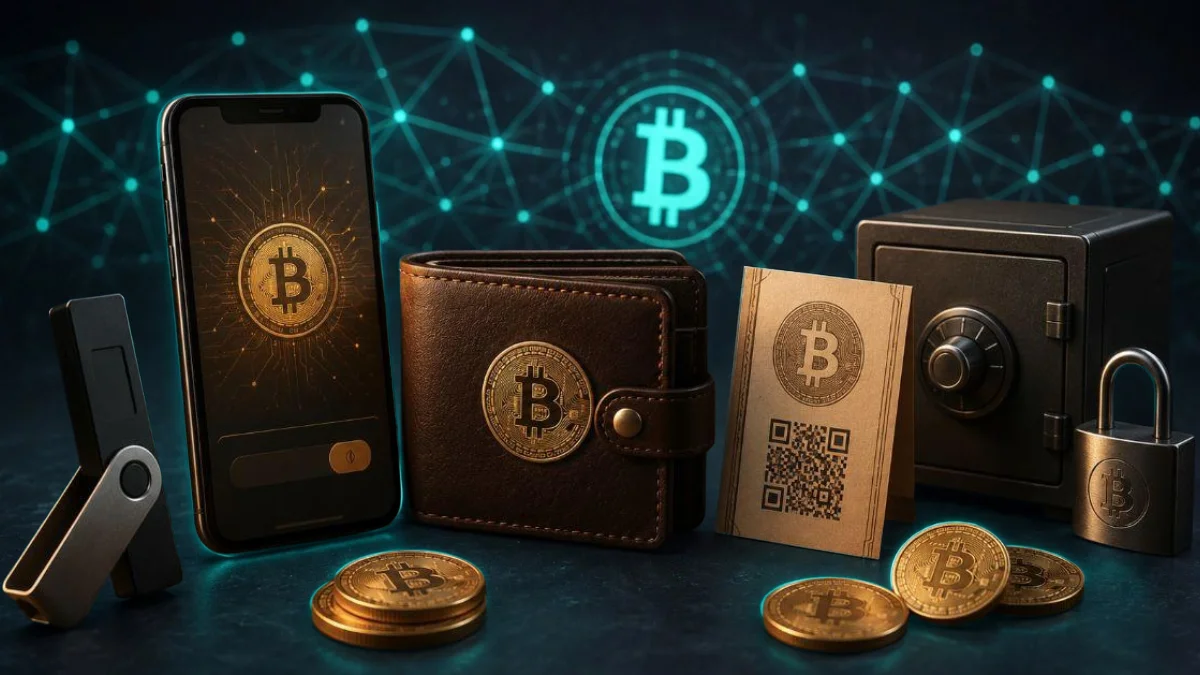
A hot wallet has a connection to an online environment, while cold storage is designed to keep private keys offline. A hardware wallet is one common tool for cold storage, although the terms are not interchangeable in every situation.
Hot wallets are generally more convenient for frequent transactions. Cold storage can be more suitable for holdings you do not need to access regularly. Some Bitcoin users combine both approaches.
| Factor | Hot wallet | Cold storage |
| Access | Usually quick and convenient | May require a device or additional steps |
| Online exposure | Greater exposure to online threats | Can reduce direct exposure of signing keys |
| Everyday payments | Often more practical | Less convenient for frequent spending |
| Setup | Often relatively simple | Requires careful setup and backup |
| Recovery responsibility | Depends on custody arrangement | Important when using self-custody |
| Typical use | Smaller spending balance | Longer-term holdings |
Neither option guarantees protection. Your behavior, backup quality, software authenticity, and ability to recognize fraudulent requests remain critical.
How to Choose the Best Bitcoin Wallet for Your Needs
Instead of selecting a wallet based on popularity alone, evaluate it against your actual needs.
Start With Your Experience Level
If you are new to Bitcoin, look for clear instructions, understandable fees, reliable backups, and a recovery process you can follow without guessing.
An advanced wallet may offer more control but can also introduce settings that are easy to misunderstand. Do not choose complexity just because it sounds more secure.
Decide Who Should Control the Keys
Ask yourself whether you want a company to manage custody or whether you want to control your own keys.
With custodial services, investigate the provider’s reputation, withdrawal policies, account protections, and legal terms.
With self-custody, make sure you understand recovery phrases, backups, transaction approval, and the consequences of losing access.
Check Bitcoin Compatibility
Some wallets support many cryptocurrencies, while others focus primarily on Bitcoin. If you want to use Lightning, multisignature arrangements, or other specialized features, verify that the exact wallet and configuration support them.
Do not assume that a wallet supporting Bitcoin also supports every Bitcoin-related service or transaction type.
Compare the Total Cost
Wallet costs may include a hardware purchase, transaction fees, exchange spreads, withdrawal fees, or optional service charges.
A wallet advertised as free may still involve transaction or service costs. Compare the fees that matter to your actual usage rather than focusing on the device price alone.
Examine Recovery and Backup Options
Before depositing a meaningful amount, understand how recovery works. Confirm whether you will receive a recovery phrase, how it must be stored, and what information is needed to restore the wallet.
A backup that exists only as a photograph on a connected phone may expose it to cloud-account compromise or malware. Prefer a backup method appropriate to your security needs and the wallet’s documented recovery process.
Bitcoin Wallet Security: Essential Rules
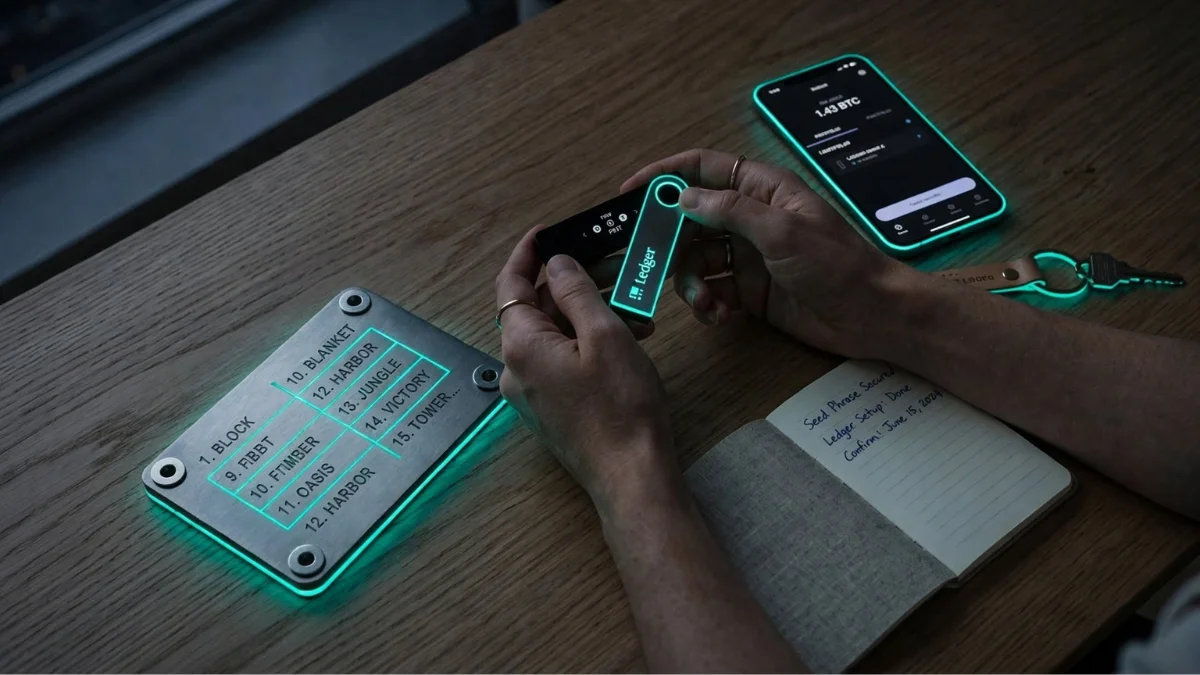
Choosing a reputable wallet is only one part of keeping Bitcoin safe. Many losses occur because someone exposes a recovery phrase, approves a malicious transaction, or sends funds to an attacker.
Follow these practices:
- Download from an authentic source. Check the official project website and verify the app publisher or device seller. Avoid sponsored search results and unsolicited download links that imitate legitimate products.
- Never share your recovery phrase. A legitimate support agent should not need you to reveal your seed phrase or private keys. Anyone who obtains them may be able to take your funds.
- Keep a secure backup. Store recovery information somewhere protected from theft, fire, water, and unauthorized access. Avoid placing it in ordinary screenshots, public cloud folders, or unencrypted messages.
- Test recovery before relying on the wallet. Understand the documented recovery procedure before transferring a significant balance. Never experiment with your only backup.
- Verify addresses and amounts. Malware and clipboard attacks can replace copied addresses. Check the destination carefully, including on the hardware device’s display when applicable.
- Send a small test transaction when appropriate. For a new destination or unfamiliar setup, a small test can help confirm that the process works. Remember that network fees may apply to both transactions.
- Protect the account and device. Use strong, unique passwords and multifactor authentication for exchange accounts where available. Keep your phone and computer updated.
- Be suspicious of urgent requests. Fake giveaways, investment offers, support accounts, and wallet-verification messages commonly try to create pressure. Do not connect a wallet or sign a transaction simply because a website tells you that you must.
Common Bitcoin Wallet Mistakes to Avoid
Confusing a Wallet Address With a Recovery Phrase
A receiving address can generally be shared to receive Bitcoin. A recovery phrase is sensitive information that can restore access to a wallet. They serve very different purposes.
Keeping All Funds on One Platform
Concentrating all holdings in a single exchange or wallet can create a single point of failure. Consider how you would manage access if a platform became unavailable or a device was lost.
Buying a Hardware Wallet From an Untrusted Seller
Counterfeit or tampered devices can put funds at risk. Use verified purchase channels and follow the manufacturer’s setup instructions. Treat unexpected prewritten recovery phrases as a warning sign; create or initialize a wallet according to its official documentation.
Ignoring Network Fees
Bitcoin transactions may involve network fees that vary with network demand and transaction characteristics. Review the fee estimate before confirming a payment.
Approving Transactions Without Understanding Them
A website or app may request a signature or transaction for reasons that are not obvious. Read the request carefully and reject anything you do not understand. Never assume a transaction is harmless because it does not appear to transfer funds immediately. Just as entrepreneurs learn from solopreneur success stories and millionaire success stories, understanding risks and making informed decisions is essential for protecting your digital assets.
Frequently Asked Questions
What is the safest Bitcoin wallet?
There is no single safest wallet for everyone. A reputable hardware wallet used with a securely stored recovery phrase can reduce some online risks, while a carefully maintained software wallet may be suitable for smaller everyday balances. Security depends on the device, setup, backup, and user’s behavior.
Are Bitcoin wallets free?
Many software wallets are free to download, although transaction fees and optional services may cost money. Hardware wallets generally require a purchase. Exchange wallets may include trading, withdrawal, or other fees.
Can I lose Bitcoin if I lose my phone?
Possibly, but losing the phone does not necessarily mean losing the Bitcoin. If you have a valid backup and follow the wallet’s recovery process, you may be able to restore access on another compatible device. Without the required recovery information, self-custody funds may be permanently inaccessible.
Should beginners use a hardware wallet?
It depends on their needs and ability to manage backups. A hardware wallet may be useful for longer-term holdings, but it introduces responsibilities that should be understood before use. Beginners should learn the recovery process before transferring substantial funds.
Is it safe to leave Bitcoin on an exchange?
It can be convenient, but it means depending on the exchange’s custody and security arrangements. Account restrictions, platform failures, cyberattacks, or withdrawal problems can affect access. Review the provider carefully and understand that exchange custody differs from controlling your own keys.
Do Bitcoin wallets charge monthly fees?
Many wallets do not charge a monthly subscription simply to hold Bitcoin, but costs vary by provider and service. Trading, withdrawals, network transactions, or premium features may carry fees. Check the current fee schedule.
Can one wallet store all my Bitcoin?
A wallet may manage multiple Bitcoin addresses, but the best arrangement depends on your security and backup needs. Some people separate spending funds from long-term holdings. Any setup should remain understandable and recoverable.
Final Verdict
The best Bitcoin wallet is the one that matches your priorities without making security harder to manage. A mobile wallet may be practical for everyday payments, a desktop wallet may offer more configuration options, a hardware wallet may suit long-term self-custody, and an exchange account may appeal to people who prioritize convenience.
Before choosing, verify the provider, supported features, costs, and recovery process. Most importantly, learn how private keys and recovery phrases work before transferring a significant amount of Bitcoin.
Disclaimer: This article is for educational purposes only and is not financial, investment, or security advice. Wallet features and availability can change. Research any wallet independently and never share your private keys or recovery phrase.