
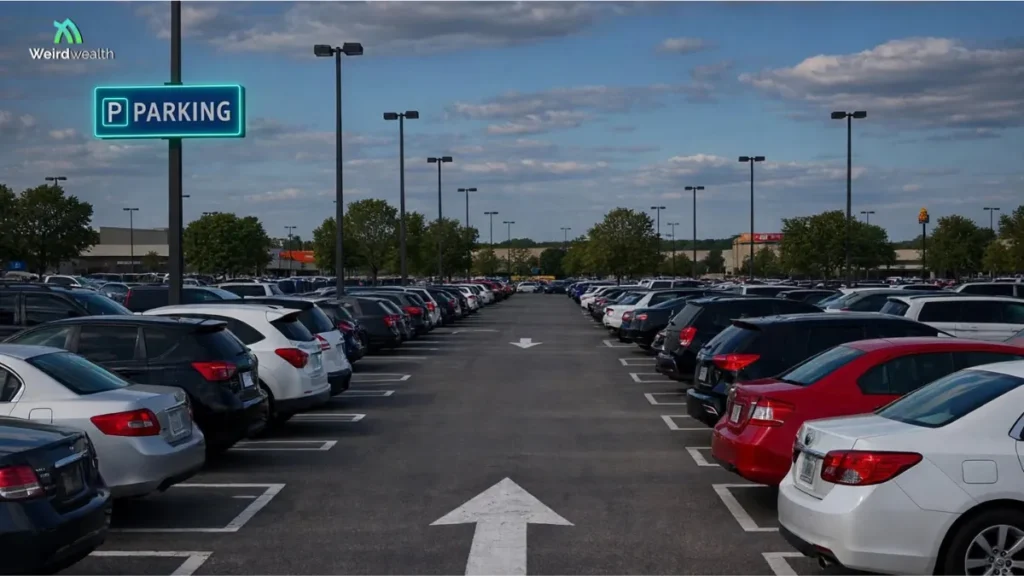
An empty driveway can be more than a place to store a car you barely use. If you live near a stadium, airport, hospital, downtown office district, college campus, beach, or transit station, you may be sitting on a tiny piece of income-producing real estate. To rent out parking space successfully, you do not need a real estate license, a huge following, or a complicated business plan. You need a legal spot, local demand, and a system that makes drivers feel safe leaving their vehicle with you.
This is not a get-rich-quick hustle. A suburban driveway with no nearby demand may bring in nothing. But the right space in the right location can create repeat income with far less hands-on work than delivery apps, freelancing, or flipping stuff online. Weird? Maybe. Profitable? It can be.
Is Your Parking Space Actually Rentable?
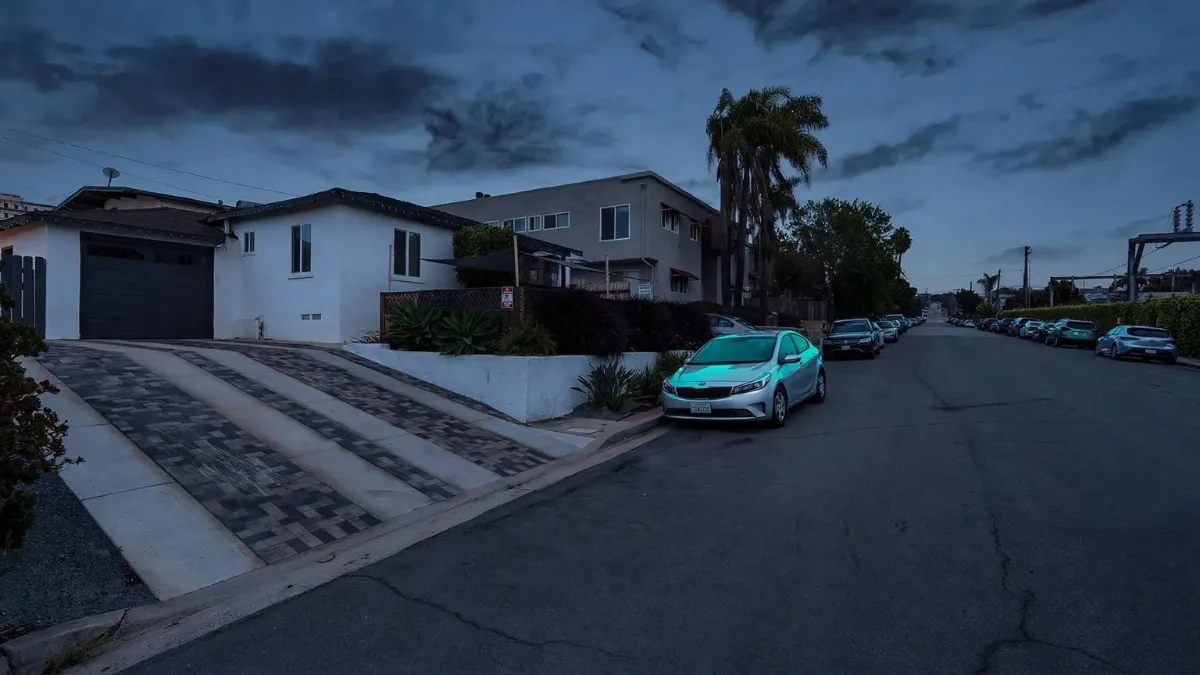
The biggest factor is not how nice your driveway looks. It is whether people have a reason to park there.
Start by looking within a few blocks of your home or building. Are there paid lots that fill up? Is street parking restricted, scarce, or expensive? Do major events create traffic jams? A spot near a commuter rail station may be valuable on weekdays, while a driveway near an arena may be worth more on concert nights and game days.
Your space also needs to be practical. Drivers want clear access, enough room to maneuver, and confidence that they will not be boxed in. A spot behind your own car can still work, but only if the renter understands the arrangement and you can reliably move your vehicle when needed.
Before posting anything, confirm that you have the right to rent it. Homeowners should review local zoning rules, neighborhood association rules, and any restrictions tied to their property. Renters need landlord permission. Condo owners should check HOA policies. If the spot is assigned through your building, it may not be yours to sublease just because you use it.
No gatekeeping, but do not skip this part. One annoyed landlord or HOA board can wipe out a side hustle fast.
How to Rent Out Parking Space Without Guessing at Demand
You can list through a parking marketplace, advertise in a neighborhood group, or arrange directly with someone you know. Marketplaces can bring traffic and handle some of the booking mechanics, but they may charge fees and set rules around payments, cancellations, and disputes. A direct monthly renter can mean steadier income and less platform dependence, but you take on more of the communication and paperwork.
For beginners, a parking marketplace is often the easier test. Create a listing with accurate details: the address or approximate location allowed by the platform, the spot type, vehicle size limits, access instructions, and availability. Do not call a tight compact-car driveway “oversize vehicle friendly.” A misleading listing earns bad reviews, arguments, and potentially damaged property.
Good photos do real work here. Take them during daylight and show the entrance, the full parking area, and any tricky turns or gate access. If drivers need a code, remote, permit, or key, say so upfront. If your street gets dark at night, mention lighting honestly rather than pretending it is a guarded garage.
Your first goal is not maximum revenue. It is proof of demand. List the space for a short window, such as an upcoming event weekend or one month of weekday commuter parking. If you get views but no bookings, your price, photos, or access terms may be off. If you get booked immediately, you may have room to charge more.
Price the Spot Like a Tiny Business
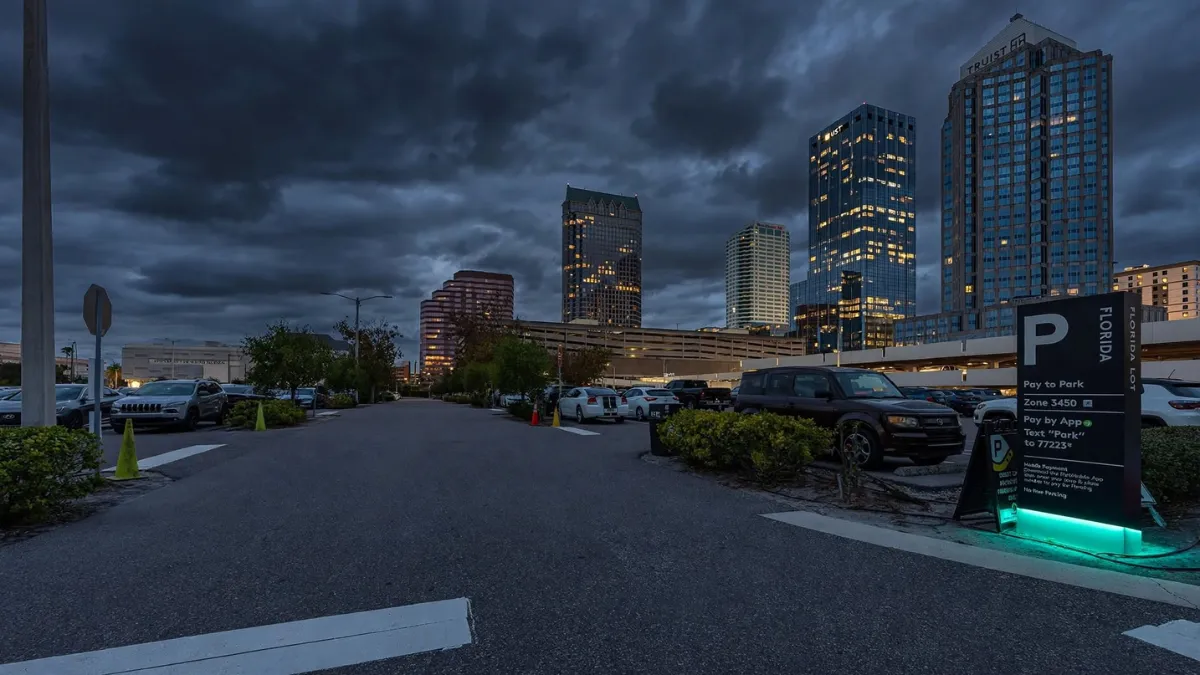
Pricing is local. A spot that earns $8 a day in one neighborhood might earn $35 during a major event in another. Search nearby garages, surface lots, and comparable parking listings to find the real range. Then price based on your trade-offs.
A covered garage spot, reserved space, EV charging access, security camera visibility, or easy airport shuttle access can justify a premium. A driveway where the renter must coordinate with you every morning probably cannot. Convenience is what people pay for.
There are three common ways to structure it:
- Hourly or event parking works near stadiums, nightlife districts, convention centers, and tourist zones. It can pay well during peak periods, but requires more turnover and more attention to arrival times.
- Daily parking fits commuters, airport travelers, and temporary workers. It offers flexibility without locking you into a long agreement.
- Monthly parking is usually the lowest-maintenance option. A reliable commuter or nearby resident pays for predictability, and you get more stable cash flow.
Do the math after fees, not before. If a platform takes a percentage, a $150 monthly booking is not really $150. Also account for the small costs: a reflective spot number, a lockbox, an access device, lighting, or cleanup. You do not need to build a luxury parking complex, but the space should feel intentional.
Set Rules That Prevent Annoying Problems
Most parking headaches come from vague expectations. Put the basic rules in writing before the first booking, whether that is through the platform’s listing terms or a simple agreement for a direct renter.
State the vehicle-size limit, the exact spot location, permitted hours, and whether overnight parking is allowed. Explain how the driver enters and exits. If you need access to a shared driveway at certain times, say that clearly. Also decide what happens if they lose a gate remote, block another vehicle, leave a car longer than agreed, or park a different vehicle than the one registered.
For a monthly renter, ask for their name, phone number, vehicle make and model, license plate, and emergency contact. Keep the arrangement professional. You are selling access to a defined parking space, not signing up to be available 24/7 for every missed turn or late-night question.
If you use a direct arrangement, consider payment timing carefully. Collect rent before the parking period begins, not after someone has used the spot for a month. Use a payment method with a clear record, and keep copies of messages and agreements. Boring admin is still part of making weird income real income.
Think About Insurance, Taxes, and Liability
Parking income may look casual, but it is still income. Track every payment, platform fee, and expense from day one. If you enjoy exploring different ways to earn extra cash, testing products for money is another side hustle worth considering. Depending on your situation, you may need to report your parking earnings on your tax return. A tax professional can help if the income becomes meaningful or your setup gets more complicated.
Insurance deserves the same attention. Your homeowners, renters, condo, or auto policy may not cover business activity, vehicle damage, theft, or injuries related to a rented parking space. Coverage varies widely. Call your insurer and describe exactly what you plan to do rather than assuming a marketplace’s protection plan covers every scenario.
You should also avoid promises you cannot control. Do not claim that a spot is “secure” unless it has actual security features and you understand what that word implies. A camera can deter bad behavior, but it does not guarantee that nothing will happen. Accurate language is safer for you and more useful for renters.
Make the Space Easy to Use

The best parking side hustle is almost invisible. Your renter arrives, finds the spot, parks without texting you, and leaves without drama.
A few low-cost upgrades can make that possible: visible house numbers, a simple sign or painted marker for the space, motion-activated lighting, trimmed shrubs near the entrance, and clear directions sent before arrival. If access requires a remote or key, use a documented handoff process and charge a replacement fee if it is not returned.
Do not overbuild before you have bookings. Start with the space you already have. Once demand is proven, then decide whether a camera, charging setup, or physical barrier could increase your rate or reduce hassle.
When This Hustle Is Worth It and When It Is Not
Renting parking is strongest when your location does most of the selling. It is a location-based asset hustle, not a hustle you can force with better branding. If nobody needs parking nearby, no clever listing copy will create a market.
It may also be a poor fit if your household schedule is unpredictable, your driveway access is constantly blocked, or sharing the property will make you anxious. Extra money is useful. Extra stress from strangers near your home is not always worth it.
But if you have an underused spot near recurring demand, this can be one of the more practical ways to turn an existing asset into cash. Start small, price honestly, keep clean records, and let actual bookings tell you what the space is worth. Your empty patch of pavement does not need to become an empire. It just needs to make its next dollar without asking you to clock in.
Editorial Disclaimer
WeirdWealth aims to provide practical and accessible information about side hustles, personal finance, and ways to earn extra income. If you enjoy exploring unconventional ways to make money, our guide to strange side hustles offers more ideas worth considering. This article explains common considerations involved in renting out a private parking space, including demand, pricing, access arrangements, and property restrictions.
The information is for general educational purposes only and is not legal, tax, insurance, or financial advice. Parking regulations, landlord and homeowners association rules, insurance coverage, and tax obligations vary by location and individual circumstances. Check the relevant rules and confirm your coverage before accepting bookings.
Potential earnings are not guaranteed. Actual results depend on local demand, rental rates, operating costs, platform fees, and the availability of your space. Readers should verify current marketplace terms and local requirements before making a decision.
Frequently Asked Questions
1. How much money can you make renting out a parking space?
Your earnings depend on location, parking demand, and rental type. A space near a busy stadium, airport, hospital, or commuter station may earn more than one in a quiet residential area. Check local listings and subtract platform fees and expenses to estimate your actual income.
2. What is the best website to rent out a parking space?
The best platform depends on your location and the type of parking you offer. Services such as SpotHero, Spacer, and JustPark operate in selected markets. Compare their availability in your area, fees, booking rules, and payment options before choosing one.
3. Can I rent out my driveway if I am a tenant?
You may be able to rent out a driveway as a tenant, but you should get permission from your landlord first. Review your rental agreement and check any applicable local rules. Never assume that using a parking space gives you the legal right to rent it to someone else.
4. Is renting out a parking space passive income?
It can become a relatively low maintenance income stream, especially when you have a reliable monthly renter. However, you may still need to manage bookings, payments, access instructions, maintenance, and occasional disputes. Event parking usually requires more involvement than monthly rentals.
5. Do I have to pay taxes on parking rental income?
Parking rental income may be taxable depending on your country, local laws, and personal circumstances. Keep records of payments, platform fees, and eligible expenses. Check your local tax authority’s guidance or speak with a qualified tax professional to understand your reporting obligations.